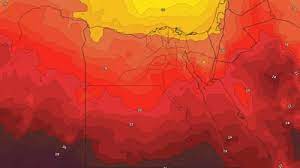
Altered Precipitation Patterns:

Increased temperatures can lead to changes in precipitation patterns. Some regions may experience more intense rainfall and flooding, while others may face extended periods of drought. Changes in the timing and amount of rainfall can disrupt ecosystems and affect water availability for agriculture and drinking water.


Increased Evaporation:

Higher temperatures cause increased evaporation rates from water bodies like lakes, rivers, and reservoirs. This can lead to reduced water levels in these sources. Increased evaporation can also contribute to more frequent and severe heatwaves and can affect water quality in lakes and rivers.
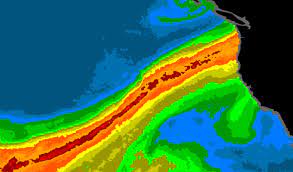
Altered Precipitation Patterns

Melting Glaciers and Ice Sheets:

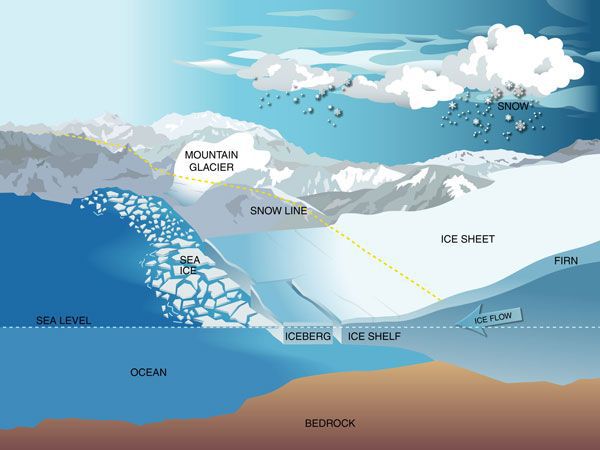
Rising temperatures lead to the melting of glaciers and ice sheets in polar regions. This meltwater contributes to rising sea levels, but it can also temporarily increase the availability
of freshwater in some regions. However, as glaciers continue to shrink, the long-term impact on freshwater resources could be severe, particularly in areas that depend on glacial meltwater.

Sea Level Rise:

As global temperatures rise, the thermal expansion of seawater and the melting of ice contribute to rising sea levels. This can result in saltwater intrusion into coastal aquifers, making freshwater sources brackish or saline.

sealevel & snowpack

Changes in Snowpack:

In regions with a seasonal snowpack, climate change can alter the timing and amount of snowfall. This affects the timing and magnitude of snowmelt, which many areas rely on for freshwater supply. Reduced snowpack can lead to earlier spring runoff and a higher risk of water shortages during dry seasons.

A c t i v i t i e s

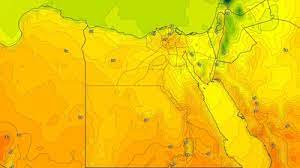
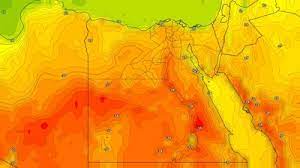
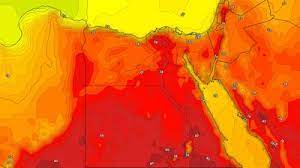
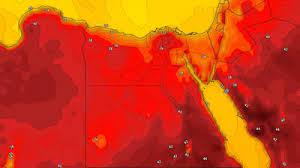
Temperature Effect on Earth

earth earth earth earth earth

Temperature Effect on Sea Level

city