How Water Moves on Earth ?

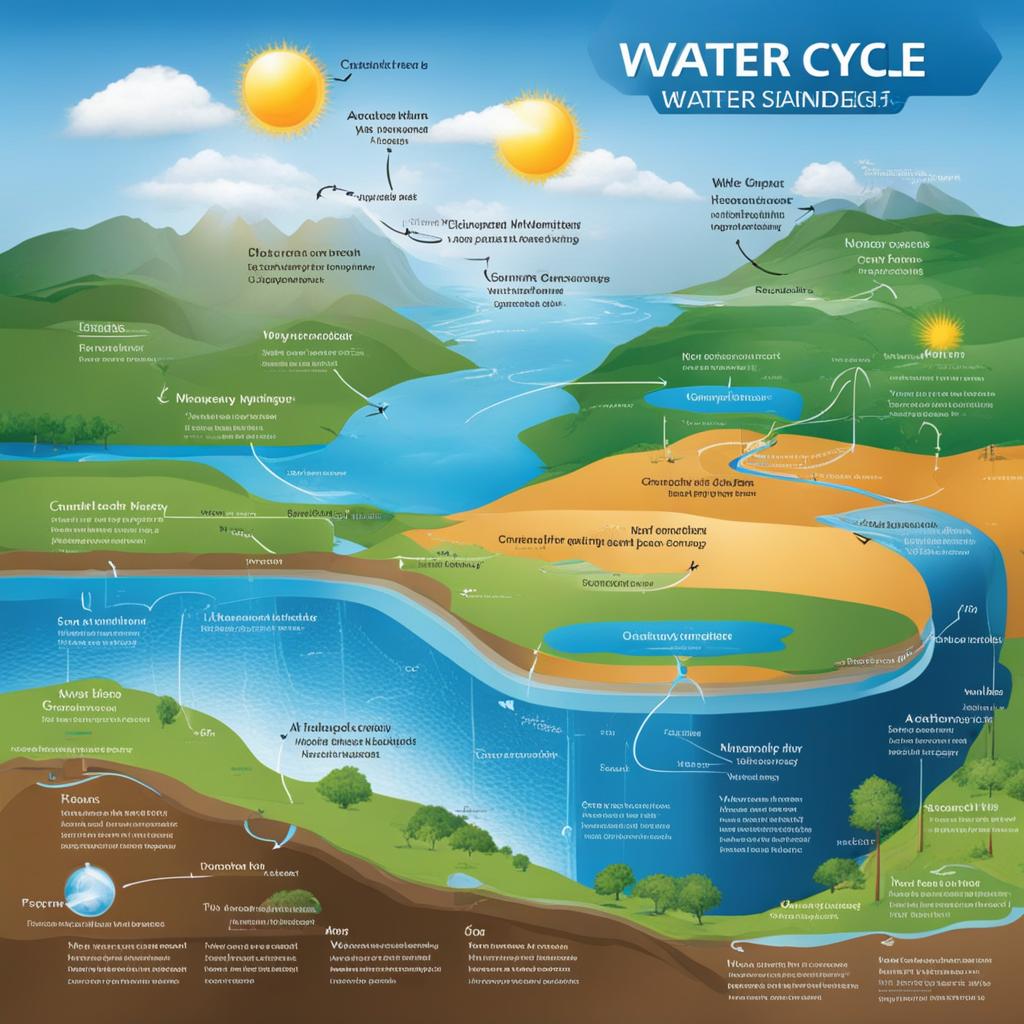
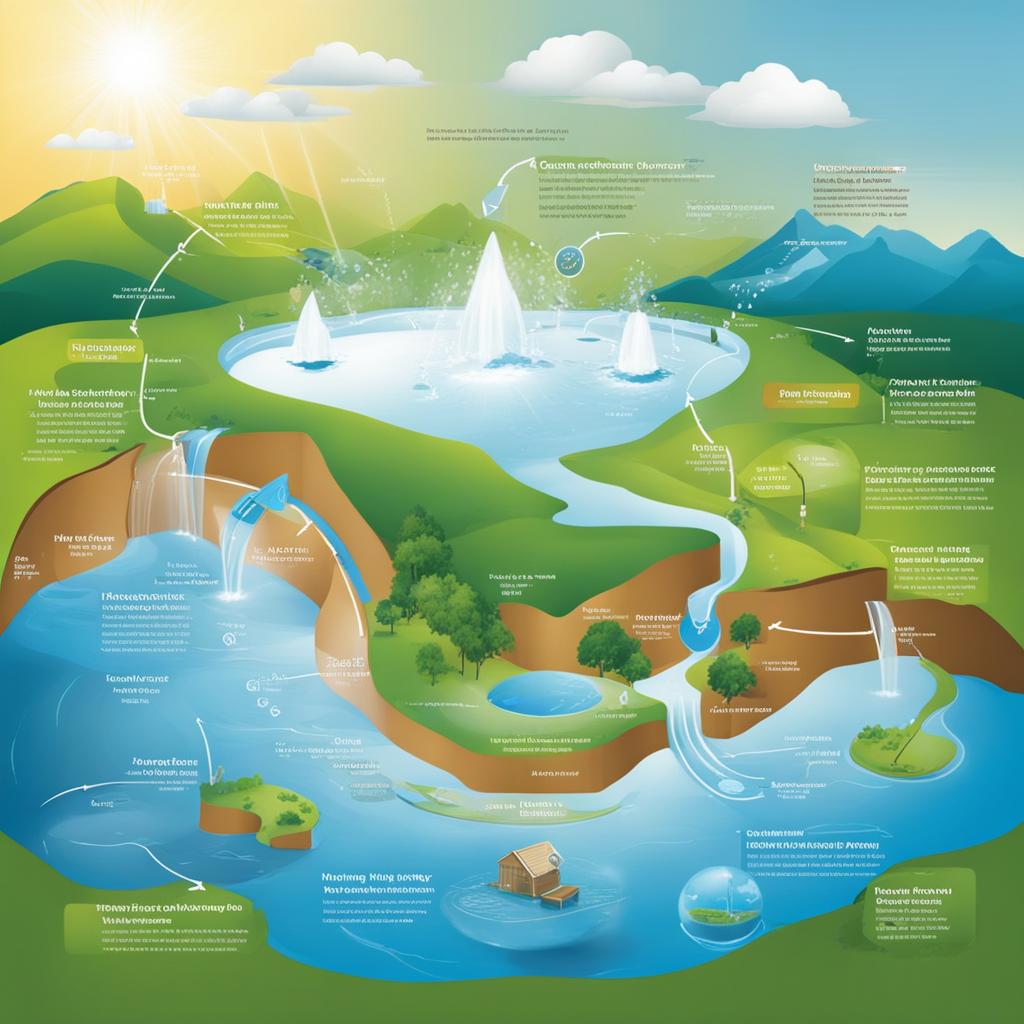
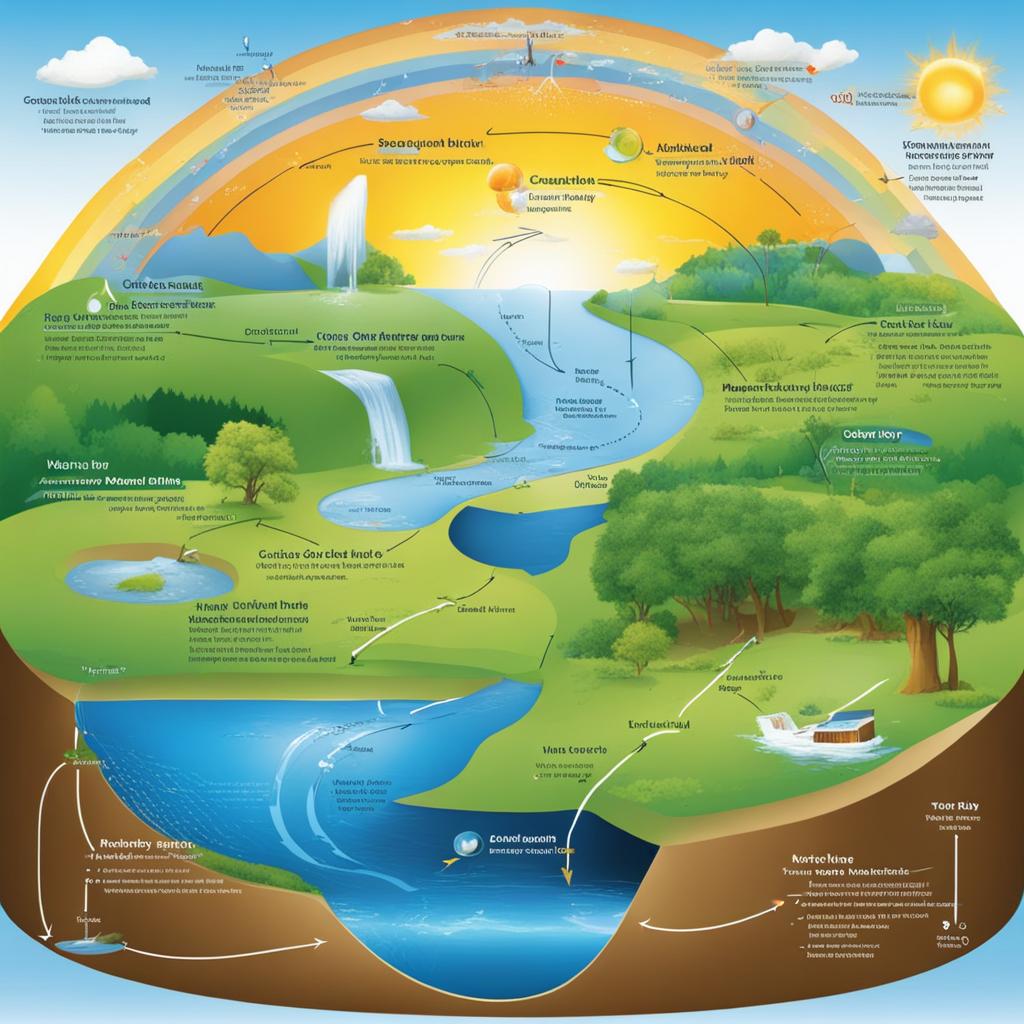
The water cycle is a continuous process that describes how water moves around the Earth. It's also known as the hydrologic cycle. Water is essential for life, and this cycle helps distribute fresh water to every part of our planet.

1. Evaporation: It all starts with the Sun. The Sun's energy heats up water in oceans, rivers, lakes, and even puddles. As the water gets warmer, it turns into water vapor, which is like invisible steam rising into the sky. This process is called evaporation.
dowy

2. Condensation: As the water vapor rises high into the sky, it cools down. When it cools, it changes back into tiny water droplets. These droplets come together to form clouds. This is called condensation.

3. Precipitation: Inside the clouds, the water droplets get bigger and bigger. When they become too heavy, they fall from the sky as rain, snow, sleet, or hail. This is called precipitation.
dowy

4. Collection: When the precipitation reaches the ground, it collects in various places like rivers, lakes, and underground. Some of it soaks into the soil to replenish groundwater. This collected water is now ready to start the cycle all over again.

5. Runoff: Not all the precipitation soaks into the ground. Some flows over the land's surface, forming streams and rivers. These rivers eventually carry the water back to the oceans.
This is called runoff.
dowy

6. Transpiration: It's not just oceans, rivers, and lakes that are part of the water cycle. Plants also play a role. They take in water through their roots and release it into the air through tiny openings in their leaves. This process is called transpiration.

7. Sublimation: Sometimes, ice and snow can turn directly into water vapor without melting first. This is called sublimation. It happens in very cold places, like at the top of high mountains.
dowy

The water cycle is a never-ending journey for water, moving from the Earth's surface to the sky and back again. It ensures that we always have the fresh water we need to drink, grow food, and sustain life on our planet. So, the next time you see rain falling from the sky or a cloud in the sky, remember that you're witnessing a part of this amazing water cycle!
dowy

What is the water cycle?

The water cycle describes where water is on Earth and how it moves. Water is stored in the atmosphere, on the land surface, and below the ground. It can be a liquid, a solid, or a gas. Liquid water can be fresh or saline (salty). Water moves between the places it is stored. Water moves at large scales, through watersheds, the atmosphere, and below the Earth's surface. Water moves at very small scales too. It is in us, plants, and other organisms. Human activities impact the water cycle, affecting where water is stored, how it moves, and how clean it is.

watercycle

Pools store water

Oceans store 96% of all water on Earth. Ocean water is saline, meaning it’s salty. On land, saline water is stored in saline lakes. The rest of the water on Earth is fresh water. Fresh water is stored in liquid form in freshwater lakes, artificial reservoirs, rivers, and wetlands. Water is stored in solid, frozen form in ice sheets and glaciers, and in snowpack at high elevations or near Earth's poles. Water vapor is a gas and is stored as atmospheric moisture over the ocean and land. In the soil, frozen water is stored as permafrost and liquid water is stored as soil moisture. Deeper below ground, liquid water is stored as groundwater in aquifers. Water in groundwater aquifers is found within cracks and pores in the rock.


watercycle

Fluxes move water between pools

As it moves, water can change form between liquid, solid, and gas. Circulation mixes water in the oceans and transports water vapor in the atmosphere. Water moves between the atmosphere and the surface through evaporation, evapotranspiration, and precipitation. Water moves across the surface through snowmelt, runoff, and streamflow. Water moves into the ground through infiltration and groundwater recharge. Underground, groundwater flows within aquifers. Groundwater can return to the surface through natural discharge into rivers, the ocean, and from springs.


What drives the water cycle?

Water moves naturally and because of human actions. Energy from the sun and the force of gravity drive the continual movement of water between pools. The sun’s energy causes liquid water to evaporate into water vapor. Evapotranspiration is the main way water moves into the atmosphere from the land surface and oceans. Gravity causes water to flow downward on land. It causes rain, snow, and hail to fall from clouds.


The water cycle drives other cycles.

The water cycle is important in itself, and patterns of water cycling and rainfall have major effects on Earth's ecosystems. However, rainfall and surface runoff also play important roles in the cycling of various elements. These include carbon, nitrogen, phosphorus, and sulfur. In particular, surface runoff helps move elements from terrestrial, land-based, to aquatic ecosystems.


Water: Why does it matter?

Water is pretty darn important for living things. Your body is more than one-half water, and if we were to take a look at your cells, we’d find they were over 70% water! So, you—like most land animals—need a reliable supply of fresh water to survive.
Of the water on Earth, 97.5% is salt water. Of the remaining water, over 99% is in the form of underground water or ice. All told, less than 1% of fresh water is found in lakes, rivers, and other available surface forms.

watercycle